CAN/ULC S1001 Integrated System Testing
Independent Integrated Testing Coordination for Fire Protection & Life Safety Systems
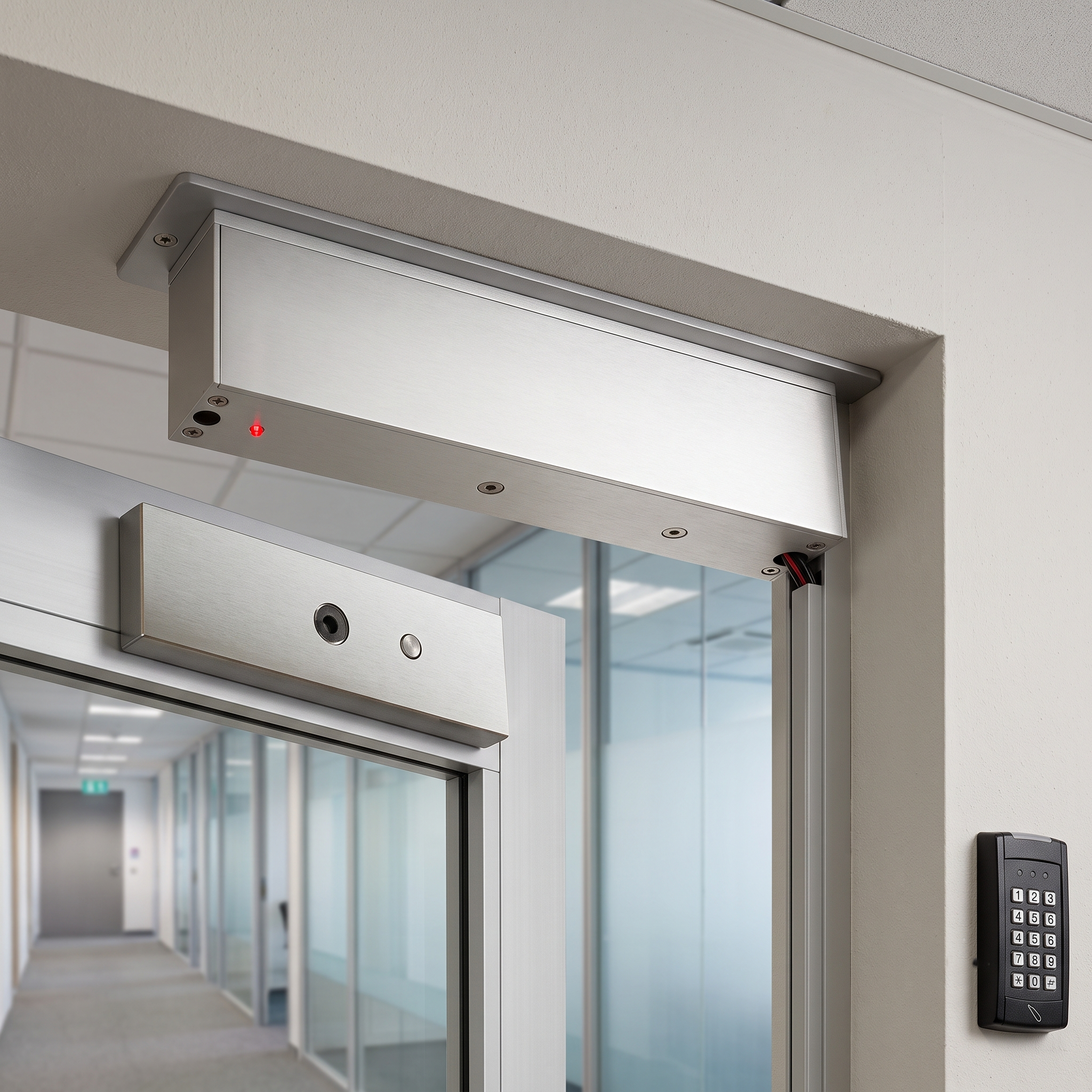
Integrated Testing Coordination
Modern buildings rely on dozens of interconnected fire protection and life safety systems - fire alarm, sprinkler, smoke control, elevators, door hold-opens, magnetic locks, HVAC shutdowns, and more. Each may pass its own commissioning, but the National Building Code of Canada (Sentence 3.2.9) requires proof that these systems work together as one coordinated whole. Break Engineering acts as your Integrated Testing Coordinator (ITC) under CAN/ULC-S1001, verifying that every interconnected system responds correctly when a real event occurs.
Break Engineering is based in Winnipeg, Manitoba and provides CAN/ULC-S1001 Integrated Testing Coordinator services for projects across Manitoba, Ontario, Alberta, and Saskatchewan. As a P.Eng.-led, independent engineering firm registered with EGM, PEO, APEGA, and APEGS, we bring the professional independence and technical depth required to fulfill the ITC role under CAN/ULC-S1001 on complex commercial, institutional, and industrial projects.
What Is Integrated System Testing?
Integrated System Testing (IST) confirms that all fire protection and life safety systems in a building communicate and operate as intended during an emergency. Rather than testing systems in isolation, IST validates the cause-and-effect relationships between them - for example, confirming that a fire alarm signal correctly triggers smoke control sequences, releases magnetic door locks, recalls elevators, and shuts down the appropriate HVAC equipment.
CAN/ULC-S1001 is the standard referenced by the National Building Code of Canada that governs how this testing is planned, coordinated, executed, and documented.
The Role of the Integrated Testing Coordinator (ITC)
As your ITC, Break Engineering serves as the independent authority responsible for managing the entire integrated testing process from planning through final documentation. Our role includes:
- ▶ Developing the Integrated Testing Plan (ITP): Identifying every interconnected system, defining the required cause-and-effect sequences, and establishing test procedures.
- ▶ Coordinating stakeholders: Bringing together contractors, system vendors, the building owner, the design team, and the Authority Having Jurisdiction (AHJ).
- ▶ Witnessing and verifying tests: Confirming each integrated function performs as designed under real test conditions.
- ▶ Documenting results: Producing the Integrated Testing Report required for occupancy and code compliance.
- ▶ Identifying and tracking deficiencies: Ensuring issues are resolved and re-tested before sign-off.
When Integrated System Testing Is Required
Integrated testing is typically required for:
- ▶ New construction subject to NBC Sentence 3.2.9.
- ▶ Major renovations or additions affecting life safety systems.
- ▶ Buildings with smoke control, elevator recall, or other interconnected fire protection systems.
- ▶ Periodic re-testing to maintain ongoing code compliance and system reliability.
The AHJ may require an Integrated Testing Report as a condition of occupancy.
Why Choose Break Engineering as Your ITC
- ▶ Licensed professional engineering oversight led by Dayakarn (DK) Sandhu, P.Eng.
- ▶ Independent and objective: We coordinate and verify without conflict of interest from system installation.
- ▶ End-to-end management: From the Integrated Testing Plan through the final report.
- ▶ Code-driven rigor: Full alignment with CAN/ULC-S1001 and the National Building Code of Canada.
Get Started
Whether you're a building owner, developer, general contractor, or design professional, Break Engineering can serve as your Integrated Testing Coordinator and help you meet your code obligations with confidence.
Contact us to discuss your project, call 204-529-9606, or email info@breakeng.ca.
Frequently Asked Questions
What is CAN/ULC-S1001 and why is it required?
CAN/ULC-S1001 is the Canadian standard for Integrated Systems Testing of fire protection and life safety systems in buildings. It is referenced by National Building Code Sentence 3.2.9 and requires that interconnected building systems - fire alarm, sprinkler, smoke control, elevators, door releases, and HVAC - be tested together to prove they respond correctly as a coordinated whole. The Authority Having Jurisdiction (AHJ) typically requires a completed Integrated Testing Report before issuing occupancy.
When is CAN/ULC-S1001 integrated system testing required in Winnipeg?
Integrated system testing is required for new construction and major renovations subject to NBC Sentence 3.2.9, particularly buildings with smoke control systems, elevator recall, or other fire-alarm-triggered life safety interfaces. The Winnipeg and Manitoba AHJ may require a completed CAN/ULC-S1001 Integrated Testing Report as a condition of occupancy.
Who can act as an Integrated Testing Coordinator (ITC) in Manitoba?
The Integrated Testing Coordinator must be an independent party - not one of the system installers - responsible for planning, coordinating, witnessing, and documenting all integrated testing under CAN/ULC-S1001. Break Engineering acts as ITC for projects in Winnipeg, across Manitoba, and throughout Canada, providing the required independence and professional engineering oversight.
What does an Integrated Testing Report include?
The Integrated Testing Report documents the entire CAN/ULC-S1001 process: the Integrated Testing Plan, test procedures, cause-and-effect verification results, deficiency logs, re-test records, and final sign-off. The report serves as the evidence of code compliance submitted to the AHJ and becomes part of the building's permanent safety documentation.
Ready to Coordinate Integrated Testing?
Contact us to discuss your CAN/ULC-S1001 requirements.
Contact Us